

Health Products · For Singapore readers
Supplements, medicines, cosmetics, devices: where is the line?
Health products share shelf space but not the same rules. This guide separates the categories you would see in a French pharmacy so you can read labels with less confusion.
All content is informational. Nothing is sold or shipped to Singapore through this site. Singapore entry is planned.
Pull a drawer. Then call a person. Each label below opens one question about health product safety and suitability in Singapore.
Start with the kind
Why categories matter before you read claims
A supplement, a medicine, a cosmetic, and a medical device answer different questions. Medicines have approved indications and leaflets. Supplements have nutritional or physiological purposes with careful wording. Cosmetics act on appearance and hygiene. Devices measure, support, or assist.
Mixing those purposes leads to wrong expectations, so check the category first, then the claim. If a skin cream talks like a medicine, or a vitamin talks like a treatment, pause and re-read the pack as a category question.
Medicines have leaflets
Approved use, dose, warnings and interactions sit in the leaflet. Keep it with the pack and read the warnings before you read the promise.
What to keep: name, strength, batch and expiry, and the pharmacist note that came with it.
Supplements feed, not fix
They list nutrients, plant parts or food-grade components and a daily portion. Wording stays nutritional. A cure claim on a supplement label is a category mismatch.
Cosmetics care for skin
Cleansers, moisturisers and sun protection speak in use, texture and tolerance, not cure. Layering more products rarely solves a persistent problem.
Devices help you measure
Thermometers, monitors and supports are only as good as their fit and correct use. Keep the manual and learn the display symbols before you trust the reading.

Everyday shelf
Food supplements in practice
Supplements come as capsules, tablets, powders, gummies, oils, or drinks, with ingredients such as vitamins, minerals, plant extracts, or other food-grade components. Labels list ingredients, recommended daily portion, warnings, and storage. More is not better, and combining similar products can duplicate ingredients.
Read the portion
The daily portion is the dose. Taking two similar gummies plus a multivitamin can double vitamin A or iron without you noticing. Count the ingredient across the whole routine.
Keep expectations level
Supplements support a routine; they do not treat disease or reshape the body. If the wording promises a rapid change, it belongs to another category.
Ask locally
Ask your local pharmacist about suitability with your current routine, and bring the actual packs so the check is concrete. General pages cannot judge personal use.
Traditional and herbal products
Traditional medicines are part of everyday pharmacy life in both France and Singapore, but source and transparency decide trust. Singapore's Health Sciences Authority includes traditional medicines in its safety messaging and advises against trusting marketing alone.
Look for clear ingredient lists, maker details, batch information, and realistic claims. Avoid offers that hide the seller or promise rapid body change. When in doubt, do not buy. Street stalls and anonymous online listings with no fixed address are the places where HSA finds most problem products.
Read safe-buying guidanceA quick herbal check
- Full ingredient list with plant parts named, not a secret blend.
- Maker or distributor name, batch number, expiry and storage notes.
- No hidden seller, no copied packaging, no cure or detox promise.
Skin and measurement
Dermocosmetics and daily skin products
Pharmacy skin ranges include cleansers, moisturisers, sun protection, and products for sensitive or dry skin. They are cosmetics, not medicines, and their labels speak in terms of use, texture, and tolerance rather than cure.
How to read a skin label
Full listing
Check the full ingredient listing, directions, warnings, and expiry or period-after-opening symbol. A jar icon with 6M or 12M tells you how long it stays good after opening.
Pack itself
Sun care
Use enough, reapply through the day, and pair it with shade and cover. No cream makes midday sun safe on its own.
Directions
When to stop
For persistent skin problems, seek medical advice rather than layering products. Stinging, spreading redness, or no change after weeks deserves a clinician.
HealthHub note
Everyday medical devices
Thermometers, blood-pressure monitors, nebuliser accessories, supports, and basic wound-care devices appear alongside medicines in pharmacy contexts. HealthHub consumer guidance in Singapore includes medical devices in safety education and reminds buyers to verify claims and seller legitimacy.
Keep the manual, check sizing and fit, learn the display symbols, and buy from established sources. A cuff that is too small reads high; a thermometer with a flat battery reads low. A device is only as good as its correct use.
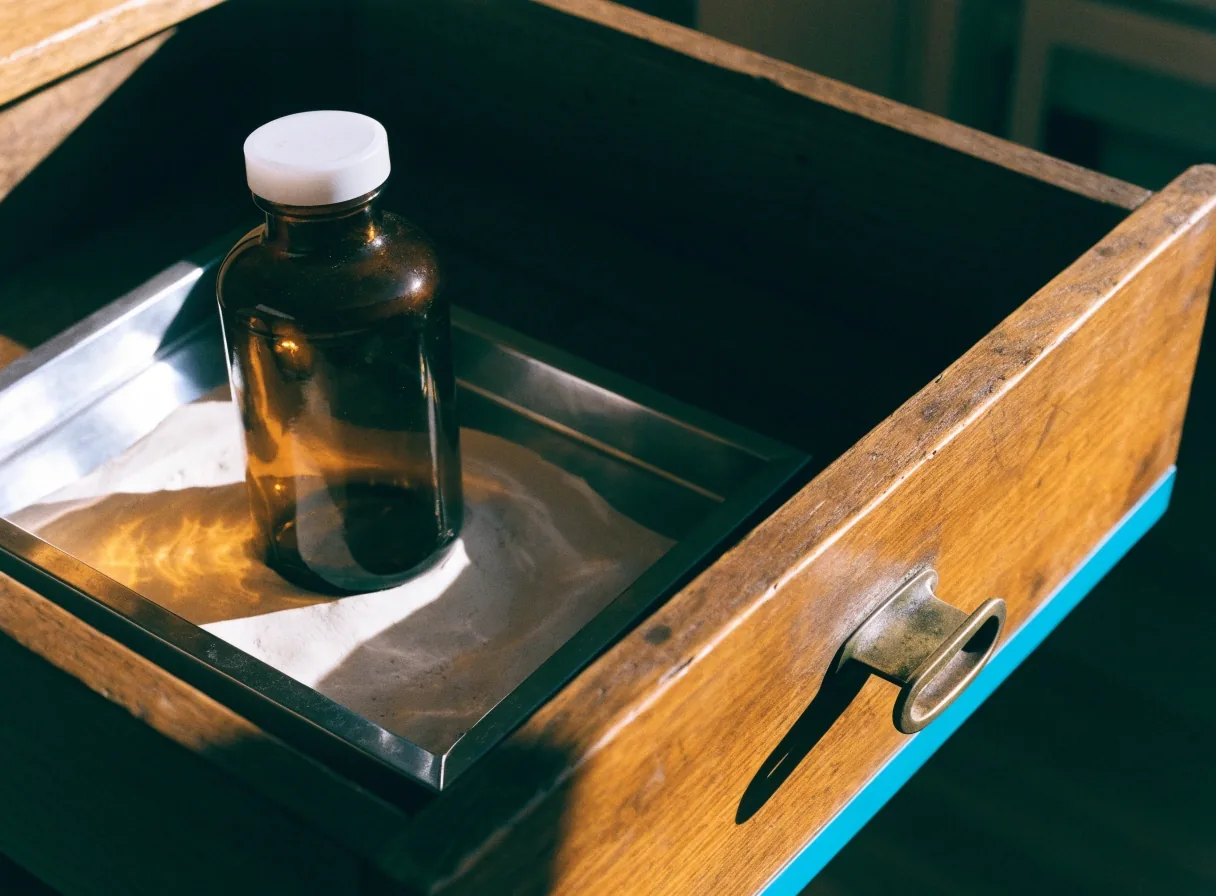
The advice matters more than the object — a plain tray, a manual, and a question answered.
Counterfeit and adulterated-product awareness
HSA warns that some products sold through dubious online sellers or street stalls may be counterfeit, adulterated, or substandard. Warning signs include no fixed seller address, prices far below usual retail, overblown promises, copied packaging, and pressure to pay outside normal channels.
HSA recommends buying from registered clinics, pharmacies, or established retail stores and publishes advisories on problem products. Our role here is to repeat that caution in plain words, not to judge any single offer by email.
One minute at the shelf
Reading a label in one minute
Find the product name and category, the ingredient or content statement, the intended use, directions, warnings, maker or distributor details, batch and expiry, and storage notes.
For supplements and traditional products sold in Singapore, consider whether the product appears in HSA's notified-products database as a verification aid, not as promotion. If key fields are missing or the seller cannot be identified, step back. Missing information is information.
Name and kind
Is it a supplement, a cosmetic, a device, or a medicine? The category tells you which claims are allowed.
Front of pack
Inside
Ingredients, strength or content, intended use, directions and warnings — in plain weight or volume, not promises.
Back panel
Who and when
Maker or distributor, batch, expiry, storage. For Singapore checks, HSA guidance and the notified-products database are the reference points.
HSA · HealthHub
Suitability is personal, so keep enquiries general
Two people, one label, different answers
Two people can read the same label and need different answers because age, pregnancy, existing conditions, and current medicines differ. That is why this guide does not assess personal suitability online. Use the category knowledge to form questions, then take the actual pack and your list to a pharmacist or doctor in Singapore.
When writing to us, ask about terms and label fields in general, without sending health files. Do not send prescriptions, diagnoses, or other sensitive medical information.
+33 5 59 09 19 43Monday to Saturday: 9:00 AM – 7:00 PM, Sunday: Closed · 37 Rue de Dous Bos, 64600 Anglet, France
This page is general information, not medical advice. For personal decisions, speak with a pharmacist or doctor in Singapore.